 MEMBERSHIP LOGIN
 JOIN PRI
Survival Skills: Forging a Path to the Upper Echelon of Motorsports
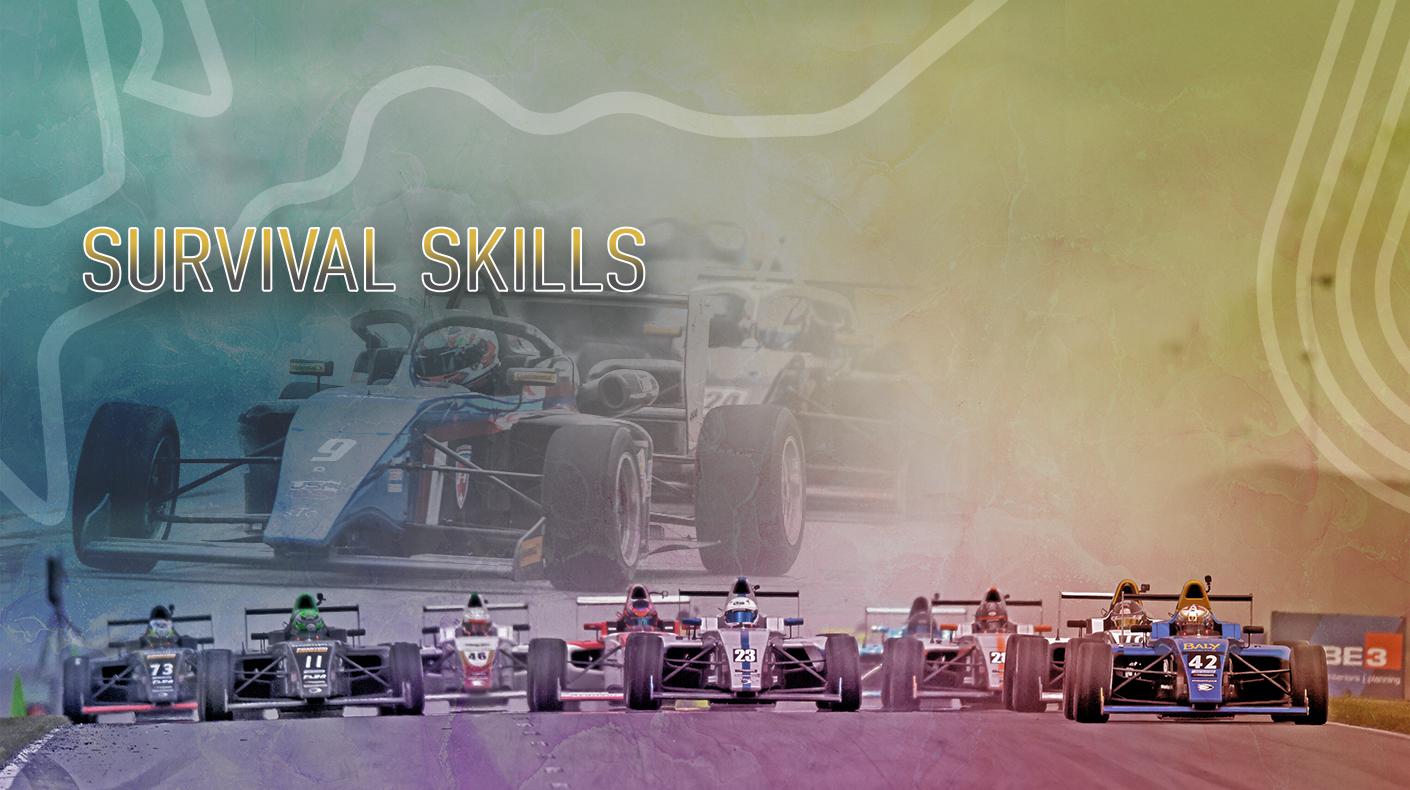
Successful drivers must forge their own unique paths to the upper echelons of motorsports. While natural talent may determine how successful a driver can be, it takes more than talent to secure a ride in a top-tier series.
Karting phenoms are plentiful. Countless dreams of motorsports stardom are born behind the wheel of a 350-pound kart--eight-year-olds going wheel-to-wheel, each with visions of becoming the next Max Verstappen or Lando Norris. But between karting tracks and the buzzing grid of big-league auto racing lies a gauntlet that separates the dreamers from the drivers.
Developmental or mid-tier racing series may be less well known to the average race fan, but their importance to the industry is unquestioned. They are both the training and proving grounds for not only emerging drivers, but anyone who hopes to make a professional career in motorsports.
Based in Daytona Beach, Florida, the International Motor Sports Association (IMSA) is the sanctioning body for the WeatherTech SportsCar Championship, North America's premier sports car series that includes the Rolex 24 at Daytona. Beyond its marquee series, IMSA also runs several smaller sportscar series, including the Michelin Pilot Challenge, VP Racing SportsCar Challenge, and several single-make series, including the Ferrari Challenge and Mazda MX-5 Cup.
"These are 100% developmental series," said John Doonan, IMSA President. "These series create an opportunity for so many different disciplines of the sport. This includes the driver, engineer, mechanic or technician, team owner, PR professionals, hospitality folks, logistics folks, transporter drivers, tire inventory [specialists]--all of those different roles in the sport are taught at these levels."
These are the series that connect the entry level to the professional level, where amateurs learn to be professionals--both on and off the track.
The portrayal of Formula 1 in Netflix's "Drive to Survive" may have captivated audiences around the world, but in reality, those are the drivers and personnel who have already made it to the top. The true battle for survival is waged in these all-important developmental series. Before the world knows their names, these drivers and teams battle for track position, sponsorship money, and the opportunity to continue chasing a childhood dream.
Learning Environment
To compete against the best in the world, one must first learn to compete.
"With the single-make series in IMSA, there are a lot of young drivers who are looking to find their way on the career ladder," said Doonan. "Drivers come from karting and can start in the Mazda MX-5 Cup and Ford Mustang Challenge, then move into the more powerful Porsche Carrera Cup, Lamborghini Super Trofeo, and Ferrari Challenge. As their career grows, the speed and the performance of the car grow, which I think gives them the best shot to become the complete package."
Beyond driver development, these series also provide team members and support staff the opportunity to learn their trades.
"The developmental series are teaching some of those critical operational elements, financial elements, corporate sponsorship elements, and engineering elements that allow people to gain critical skills, refine those skills, and have success at that level so they could potentially reach the premier series," said Doonan.
Based in Palmetto, Florida, the USF Pro Championships Presented by Continental Tire is a junior driver development program that consists of three levels of open wheel competition—the USF Juniors, the USF2000, and the USF Pro 2000.
"The USF Pro Championship is specifically designed to take drivers coming out of karting, F4, Formula 1600, or assorted racing school series and provide them with education and experience in preparation for a move into INDY NXT and INDYCAR," said Rob Howden, director of business development for USF Pro Championships. "As drivers advance up our ladder, the performance of the cars increases with each step."
While it's easy for young drivers to be laser-focused on going faster and winning races, they quickly learn that driving is only part of the equation.
"Drivers are immersed in a professional atmosphere and dynamic with their teams, the series, and the events we run," said Howden. "Everything about a driver's experience in the USF program is detailed to train them for a future in professional motorsports. From drivers' meetings and post-session data debriefing to media responsibilities, autograph sessions, and TV and podcast interviews, there's training outside the car as well as in it."
To read the full article, plus hundreds of other articles like it for free, sign up for a digital subscription to PRI Magazine on Zinio here.
Once you download the Zinio mobile app or are logged into Zinio on a desktop browser, you will gain immediate access to more than a year's worth of content, including "Survival Skills: Forging a Path to the Upper Echelon of Motorsports" here and additional coverage in the May/June 2026 issue here.